
KPS is an authorized BARTEC distributor in Egypt, supplying ATEX and IECEx certified explosion-proof enclosures and hazardous-area equipment for Zone 1 and Zone 2 sites. We support oil & gas, petrochemical and industrial projects with engineering, installation, commissioning and after-sales service.
Authorized BARTEC distributor · ISO 9001, 14001, 45001 and 50001 certified · 250+ projects delivered · 300+ clients served
What ATEX and IECEx certification mean
ATEX is the EU framework for equipment used in potentially explosive atmospheres. Directive 2014/34/EU covers the equipment itself, and Directive 1999/92/EC covers worker safety in those workplaces. IECEx is the international certification scheme built on the IEC 60079 standards, and oil & gas operators in Egypt commonly specify ATEX, IECEx or both.
An “Ex” marking on a product tells you which zone it is approved for and how it prevents ignition. Common protection types include Ex d (flameproof), Ex e (increased safety), Ex i (intrinsic safety), Ex p (pressurized) and Ex m (encapsulation).
Choosing equipment for Zone 0, Zone 1 and Zone 2
Hazardous areas are classified by how often an explosive gas atmosphere is present. The zone sets the minimum equipment category you can install.
| Zone (gas) | When the explosive atmosphere is present | ATEX category | Protection level (EPL) |
|---|---|---|---|
| Zone 0 | Continuously or for long periods | 1G | Ga |
| Zone 1 | Occasionally in normal operation | 2G | Gb |
| Zone 2 | Not expected; if it occurs, only briefly | 3G | Gc |
Dust areas follow the same logic as Zones 20, 21 and 22 (categories 1D, 2D and 3D). Equipment rated for a stricter zone can be used in a less strict one, but never the other way round. KPS supplies certified equipment for Zone 1 and Zone 2 environments.
Explosion-proof products and systems we supply
- BARTEC explosion-proof enclosures and hazardous-area (ATEX/IECEx) certified equipment for Zone 1 and Zone 2.
- Pharos Marine hazardous-area solar panels and battery boxes, built for hazardous-area and offshore sites.
- Complete hazardous-area solar power systems, engineered, installed and commissioned by KPS.
- Backup power for hazardous sites: EnerSys batteries and Eltek rectifiers for control, monitoring and communication equipment.
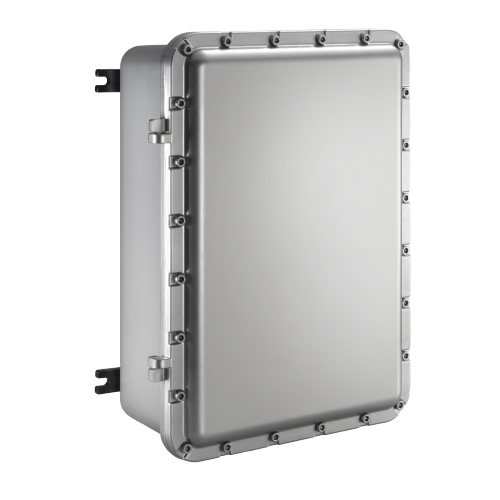
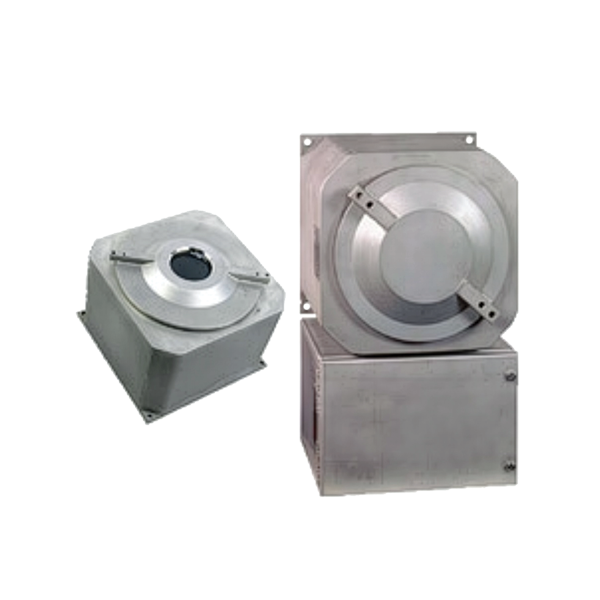
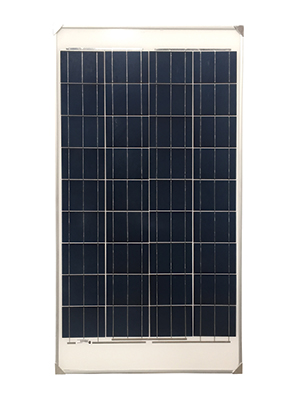
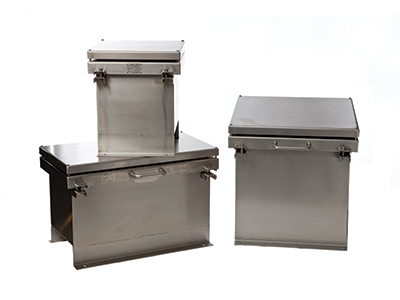
Project example: Zone 1 solar power system for an oil & gas site
On an oil & gas site classified Zone 1 for hydrogen hazard, KPS engineered and deployed a fully certified solar power system that runs unattended. It combines an ATEX-certified Pharos Marine SPEX solar field, dedicated battery boxes and a central protection hub. A Victron Cerbo GX monitors 12 critical functions and reports alarms to the site RTU, so staff can check status without entering the hazardous zone.
Read the full oil & gas project
Where our ATEX equipment is used
- Upstream, remote and offshore oil & gas sites
- Refineries and petrochemical plants
- Gas processing and pipeline facilities
- Industrial plants with classified hazardous areas
Why buy ATEX equipment from KPS
- Authorized BARTEC channel: genuine products through the manufacturer’s official distributor in Egypt.
- Proven hazardous-area experience: certified Zone 1 power systems already running on oil & gas sites.
- One partner from design to service: engineering, installation, commissioning and after-sales support.
- Certified company: ISO 9001, 14001, 45001 and 50001; NREA and EFCBC registered.
- Based in Cairo, serving projects across Egypt.
Related solutions: Zone 1 hazardous-area solar power systems · ODYSSEY Extreme ATEX batteries · EnerSys batteries in Egypt · Oil & gas power solutions
ATEX FAQs
Where can I buy ATEX-certified equipment in Egypt?
KPS in Cairo is an authorized BARTEC distributor supplying ATEX and IECEx certified explosion-proof equipment for Zone 1 and Zone 2 sites across Egypt. Contact info@kps-grp.com or +20 100 200 9231 for a quote.
What is the difference between Zone 0, Zone 1 and Zone 2?
Zones describe how often an explosive gas atmosphere is present. Zone 0: continuously or for long periods. Zone 1: occasionally during normal operation. Zone 2: not expected in normal operation and, if it occurs, only for a short time.
Which ATEX category do I need for each zone?
Zone 0 needs category 1G equipment (EPL Ga), Zone 1 needs at least 2G (Gb), and Zone 2 needs at least 3G (Gc). Higher-category equipment may be used in a lower-risk zone, but not the reverse.
What is the difference between ATEX and IECEx?
ATEX is the European Union legal framework (Directive 2014/34/EU for equipment). IECEx is an international certification scheme based on the IEC 60079 standards. Both cover equipment for explosive atmospheres, and many projects in Egypt accept or require either one.
What do Ex d and Ex e mean on an enclosure?
Ex d (flameproof) enclosures contain any internal explosion so it cannot ignite the surrounding atmosphere. Ex e (increased safety) enclosures prevent sparks and hot surfaces from occurring in the first place. Both are commonly used in Zone 1 and Zone 2.
Need ATEX-certified equipment for your next project?
Send us your zone classification and equipment list. Our engineers will reply with a compliant selection and quotation.